
CEOxHR debate: Are leadership training courses just expensive talk?
Leadership. You can learn it on the job, through trial and error… But you can also train it, structure it and deepen it. The question is whether we go about that in the right way. At our annual JDI CEOxHR event, we explored this in more depth with Christophe Vanden Eede from bpostgroup and moderator Lesley Arens from #ZigZagHR. The central question: are leadership training courses worth the money, or are they just expensive presentations with no lasting impact? It turned into a nuanced conversation with one clear message: keep supporting leaders, but do it thoughtfully and in a tailored way.
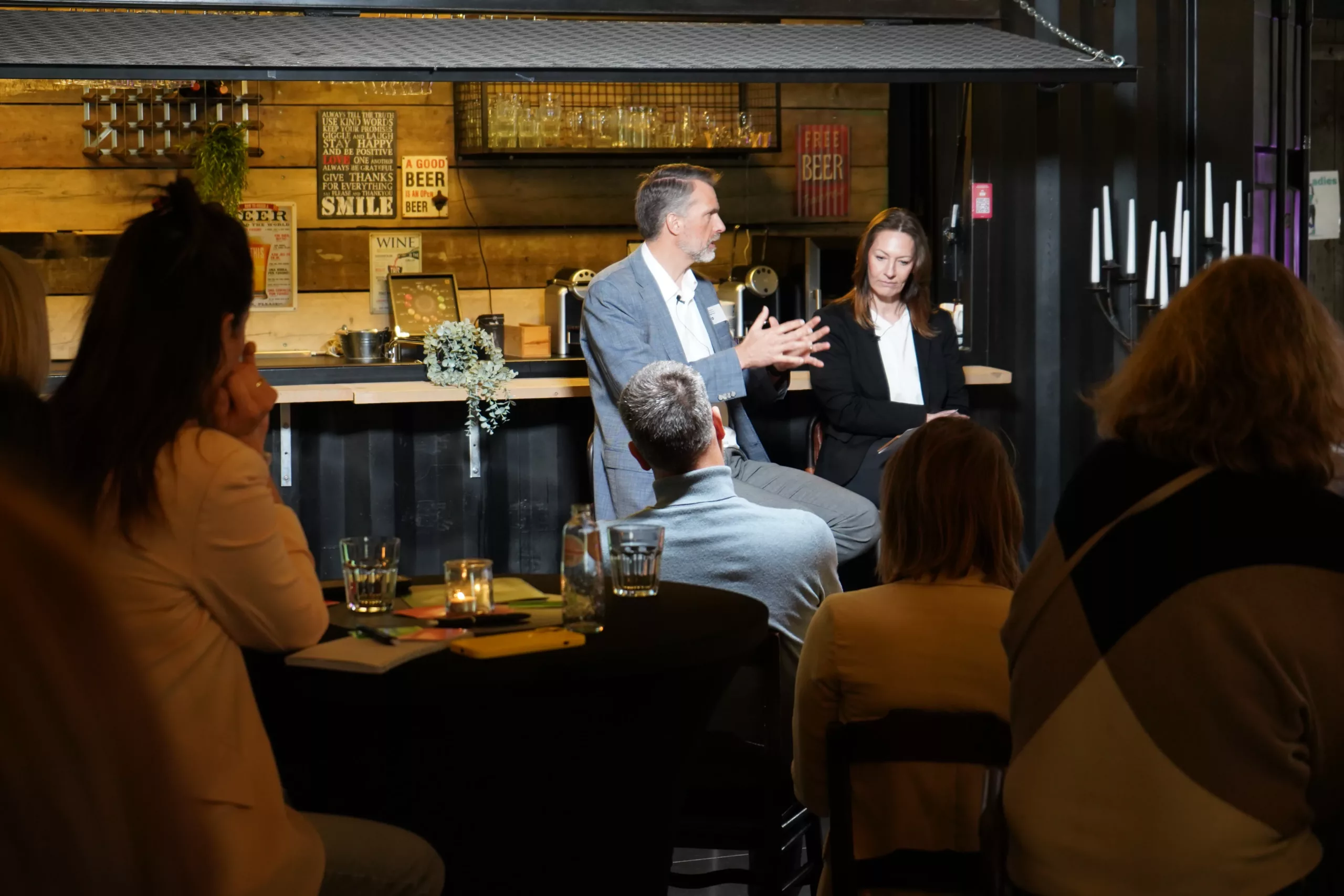
Training is no quick fix, but it is still needed
Let’s be clear on one thing: leadership training is valuable when it is set up well. It often forms an important first step: leaders gain insight into their role, their responsibilities and the core skills expected of them.
But it cannot stop there. A two-day training will not embed lasting leadership. Leadership is not a project. It is a process: a constant cycle of practising, reflecting and adjusting course.
That means we need to invest far more in long-term programmes, with follow-up: feedback, mentoring, coaching and peer-to-peer learning. So treat training as the starting point, not the end of the line.
Tailored, not off the shelf
One of the biggest pitfalls? Thinking every leader should follow the same programme. As if leadership can be learned from a manual.
In reality, one leader benefits from training in speaking with impact, while another grows stronger through stress management, team coaching or strategic thinking. There is no universal growth curve. Strong leadership programmes are built around the person: who they are and where they want to go.
Leaders need more than tools. They also need support to find their confidence and direction. Leadership starts with insight. The techniques come after.
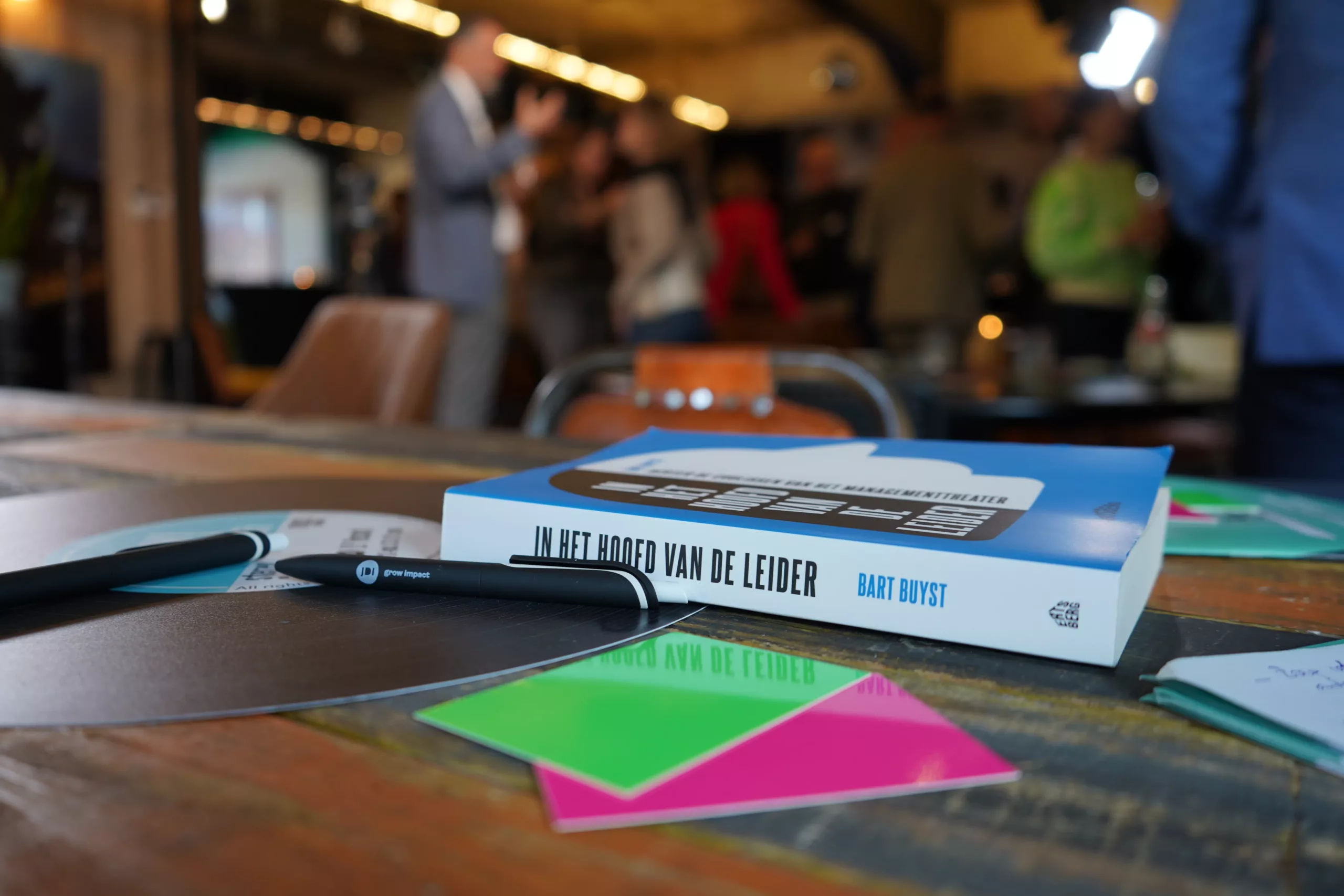
Trust as the foundation
One of the most valuable insights from the conversation was the importance of trust. A leader without trust, however capable, will never truly make an impact.
Trust grows on three levels:
- Through competence: showing that you know your job inside out.
- Through transparency: communicating honestly and clearly.
- And above all through intent: showing that you have your people and the organisation’s best interests at heart.
When that last one is genuine, there is room to make mistakes, learn and course-correct. Because employees can tell when a leader really means it, and that changes everything.
Get grounded first, then guide others
We often focus on what a leader should do: delegating, motivating, giving feedback… But just as important is the question: who do I want to be as a leader? What do I stand for?
A strong leadership programme first supports leaders in their personal development: building self-awareness, resilience and emotional intelligence. Because what a leader learns for themselves automatically radiates out to their team.
For example, a resilience training first helps leaders manage their own stress, and then recognise the signals among their employees. Good leadership starts from the inside out. Only after that does the outside world come in.
Conclusion: not either-or, but both-and
Leadership takes time, space, reflection and support. That calls for thoughtful development programmes, not standard formulas.
More insights

8 signs your team is not speaking up about problems, or is doing it too late, plus what you can do about each one.

At the CEOxHR event we explored whether agile leadership leads to impact or to confusion. And what part context, clarity and self-awareness play.

During the CEOxHR event, experts debated what participatory leadership does to decision-making, trust and conflict. When does it lead to buy-in, and when to deadlock?
Want to take this on in your business?
You don’t have to have your question sorted yet. Working that out is exactly where we start.