
Where is the cost of silence in your team?
Everyone nods along, but nobody really buys in. And that costs you more than you think.
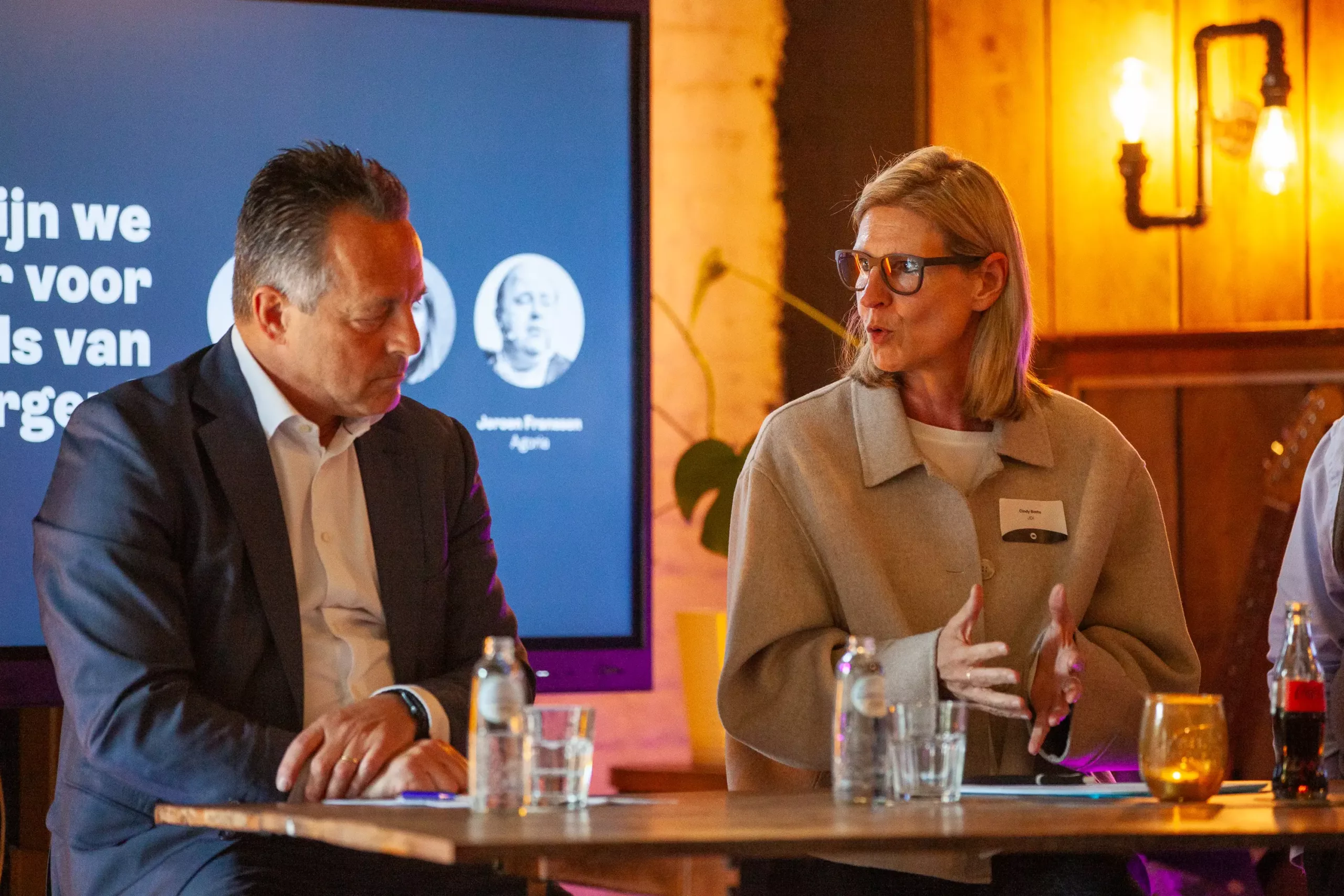
The cost of silence is the hidden price of problems, doubts and tensions that a team fails to raise, or raises too late. You won’t see it directly on the balance sheet, but the effects are very real. And it doesn’t just affect the atmosphere in a team. It also hits your productivity and profitability. You pay people to deliver results together, but along the way you lose time and energy to friction that could have been avoided or resolved faster. And that is exactly what makes the cost of silence so deceptive: as long as nobody names what’s going on beneath the surface, on paper there seems to be little wrong.
Recognise three or more of the signs below? Then there’s a good chance the cost of silence is at play in your team too.
Everyone says “agreed”, but the objections surface afterwards
That usually means there was agreement, but no real commitment.
Why is that a problem?
Because objections resurface later, often during implementation.
What can you do?
Don’t just ask “everyone agreed?” Ask what still holds people back, where they see risks, or what could make this decision fail in practice. That way doubts come out before they slow down implementation.
Decisions keep getting reopened
When decisions keep coming back, there was usually too little clarity or buy-in.
Why is that a problem?
Because implementation slows down, and nobody knows anymore when something has really been decided.
What can you do?
End every important meeting with three things: what has been decided, who owns it, and when we will look at it again. Also make clear what it takes to reopen a decision. That way, each new objection doesn’t automatically spark a whole new debate.
Tensions get discussed in the corridors, not at the table
Sometimes the real meeting only starts once the official one is over.
Why is that a problem?
Because frustrations get aired in a place where they can’t be resolved.
What can you do?
Make it a habit to bring important conversations from the corridor back to the right table. Not by cutting people off, but by saying: “This sounds important enough to discuss with the whole group.” That way, the team learns that difficult things don’t have to stay outside the meeting.
Feedback comes too late, is too cautious, or doesn’t come at all
A lot of feedback gets put off to avoid conflict.
Why is that a problem?
Because a small problem gets the time it needs to grow.
What can you do?
Make feedback smaller and quicker. Don’t wait for a formal review if something can be named today. Keep it concrete: what did you see, what effect did it have, and what would you like to see differently next time? The less weight you put on feedback, the easier it is to give.
Good people leave for reasons nobody ever raised
Sometimes you only learn in the exit interview what has been going on for months.
Why is that a problem?
Because the information reaches you when there is hardly anything left you can do with it. And by then you have lost that good employee.
What can you do?
Don’t wait until someone leaves to ask what isn’t sitting right. Build regular conversations into your routine that go beyond performance or planning. Questions like “What makes your work harder than it needs to be?” or “What should we be discussing better here?” often tell you more than a general “Everything all right?”
Leaders sense that something is going on, but can’t bring it to the surface
You can feel the mood has changed, but nobody says what’s wrong.
Why is that a problem?
Because you quickly start filling in the blanks yourself.
What can you do?
Name what you see without straight away explaining why it is happening. For example, say: “I notice this topic is causing tension” or “I notice we are getting quieter about this.” Then ask an open question. That gives people room, without putting words in their mouths.
Teams talk a lot about planning but very little about collaboration
Tasks, deadlines and planning are easy to talk about. Collaboration, much less so.
Why is that a problem?
Because a good plan is worth very little if expectations, roles or how people work together do not add up.
What can you do?
Make collaboration a standing agenda item. It doesn’t need to take half an hour. Ask briefly what is working well in how you collaborate, and what is costing energy today. If you do this regularly, problems become visible sooner and you don’t have to wait until they escalate.
People avoid conflict to keep the peace
No conflict doesn’t automatically mean everything is fine.
Why is that a problem?
Because important differences get swept under the carpet.
What can you do?
Make it clear that disagreeing is not the same as working against someone. Deliberately invite challenge, especially on big decisions. Ask, for example, “Who sees this differently?” or “What criticism do we need to hear before we move on?” That way, differences of opinion become part of working well together.
Spotted three or more of these signs?
Then the cost of silence probably doesn’t sit with one person or one difficult meeting. It runs through your whole organisation.
And that rarely goes without consequences. Slow decisions cost time. Lack of clarity costs productivity. Tensions left unresolved drain energy. And when good people check out or leave, you feel it in your profitability in the end. And the longer these patterns last, the more normal they start to feel. That’s why it matters to make them visible before they become entrenched in the way your team works.
The good news is that you can do something about it. But first, you need to know exactly where the shoe pinches.
More insights

At the CEOxHR event we explored whether agile leadership leads to impact or to confusion. And what part context, clarity and self-awareness play.

During the CEOxHR event, experts debated what participatory leadership does to decision-making, trust and conflict. When does it lead to buy-in, and when to deadlock?

During the CEOxHR event, we explored how leaders grow: training is the starting point, follow-up and coaching do the rest. A case for leadership as a process, not a certificate.
Want to take this on in your business?
You don’t have to have your question sorted yet. Working that out is exactly where we start.